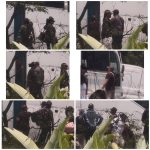

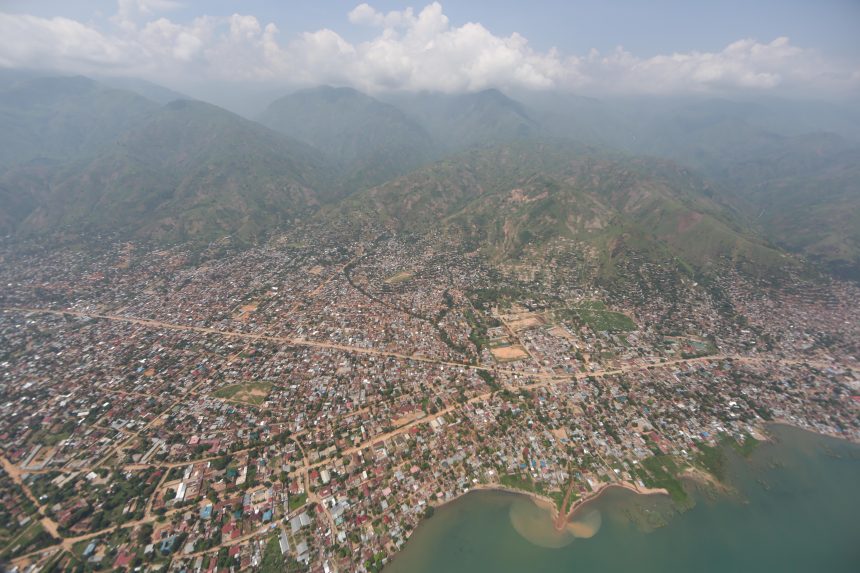
The situation in Uvira has seen a significant shift as the Congolese FARDC (Armed Forces of the Democratic Republic of the Congo) begins its withdrawal towards Kalemie. Thousands of FARDC soldiers are now heading to the port to board boats, signaling a retreat from the region. This move comes as tensions continue to rise in eastern DRC, particularly with the growing influence of the AFC/M23 rebel group.
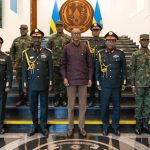
Meanwhile, the Burundian army, which had been deployed in Kivu, has refused to heed the AFC/M23’s ultimatum to leave the region. Last night, a spokesperson for the Burundian army declared their stance, insisting that they would remain in Kivu despite pressure from the M23. This development raises questions about the Burundian forces’ ability to confront the M23 alongside local militia groups such as the Wazalendo and the FDLR, now that the Congolese military seems to be pulling back.
Adding to the complexity of the situation, Burundian soldiers have faced significant hardships during their deployment in Kivu. Many have gone without pay for over seven months, and their families are often left in the dark when soldiers are killed in action. The Burundian government has been accused of failing to recognize fallen soldiers, further deepening the discontent among the troops. Additionally, the government has conducted raids based on facial features and census activities, creating a tense atmosphere back home.
In the midst of these developments, Uvira may soon fall into the hands of AFC/M23 forces. Following the fall of Kamanyola late yesterday evening, the region is bracing for more changes. As part of the ongoing shift in power, the maximum-security government prison in Uvira, where thousands of persecuted prisoners had been held, was opened, and many were set free. This marks another significant moment in the unfolding conflict, with the fate of Uvira hanging in the balance.