

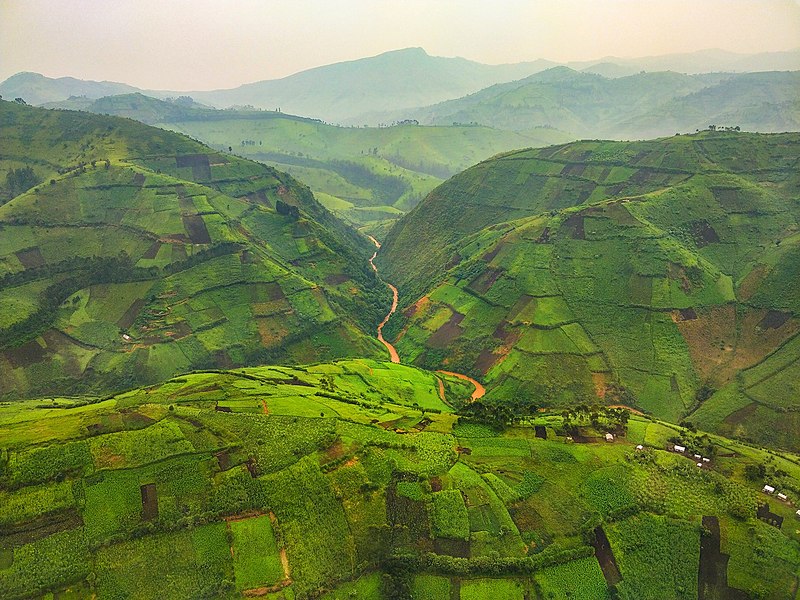
The day that many had only dreamed of had finally come. On the morning of March 5, 2025, Governor Bahati Musanga Erasto arrived in Rubaya, Massisi-Mountainous, at the heart of a land long scarred by war, loss, and survival. But today, the pain of the past met the hope of the present.
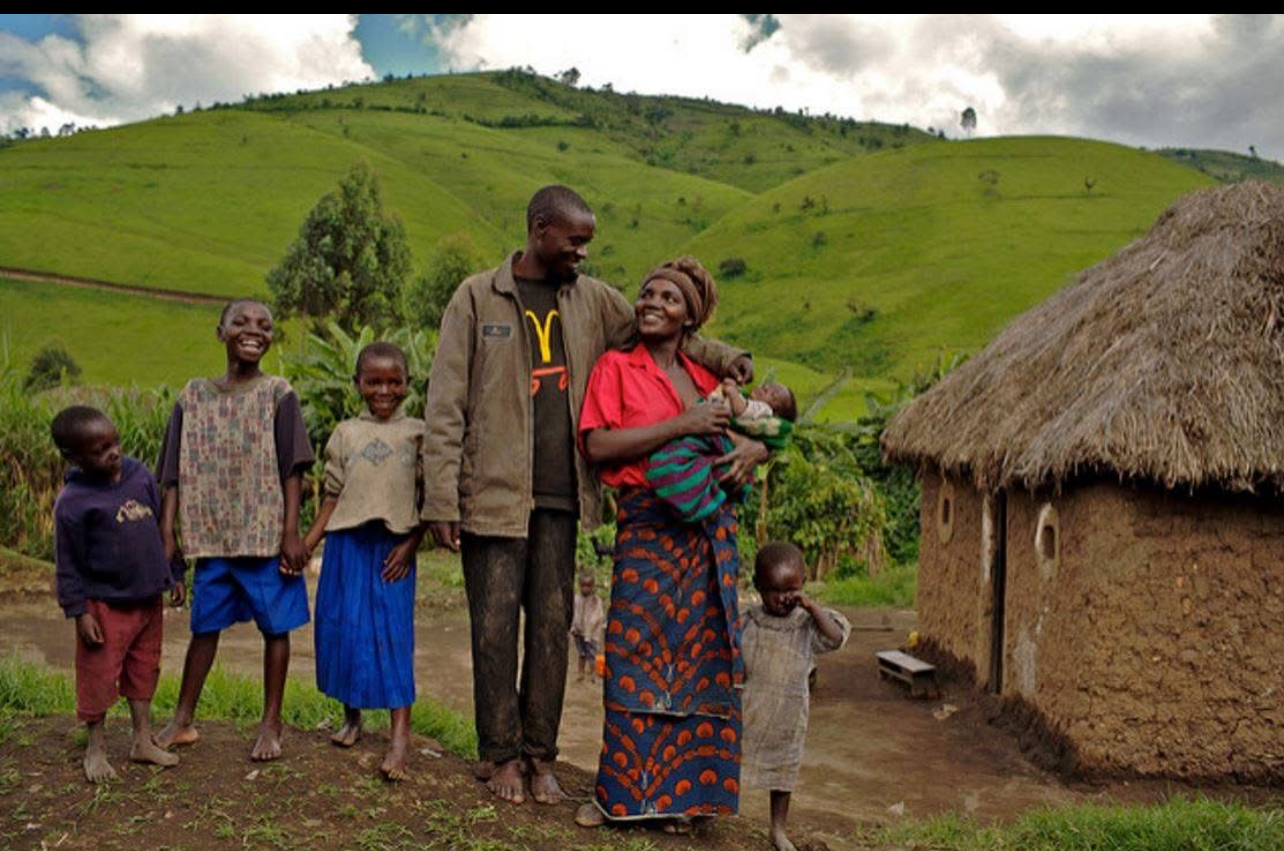
The hills trembled with the voices of more than 10,000 people—men, women, and children—who had gathered to welcome him. They did not just come to listen; they came to witness a new chapter in their history. The air was thick with dust and song, as drums thundered and feet pounded the earth in unison. Women wrapped in colorful fabrics ululated, their voices piercing the morning sky, while young men, their chests bare, leaped into the air, celebrating the return of a leader who had walked these very hills as a boy—now a man, now a governor.
But Bahati Musanga Erasto was not just any man. He has been a fighter. A warrior. A son of these mountains who had spent his youth navigating the winding trails of Massisi, not as a traveler, but as a soldier. He and his compatriots had run on empty stomachs, under heavy rain and scorching sun, through the hills of Massisi, Rutshuru, Mwese, and far beyond. They had battled hunger and exhaustion, not just against the natural elements but against the weight of history, against the criminal regimes that had persecuted these indigenous communities for decades.
For too long, Massisi had known only the language of war. Families were torn apart, fathers buried in shallow graves, mothers clutching their children as they fled from the specter of death. But today, there was no running—only dancing. Elderly men, some of whom had known only war for half a century, sat on wooden benches, wiping away tears with trembling hands.
And then, Bahati Musanga Erasto stepped forward.
He knew these faces. He knew their families. He had fought alongside their brothers, mourned their fathers, buried their sons. Every hill, every valley, every dense forest of Massisi held memories of battles fought and lives lost. He had survived ambushes, crossed rivers swollen with the blood of his people, and outmaneuvered the very killers who had stolen his childhood.
Now, he stood before them—not as a fugitive, not as a warrior in hiding, but as their leader.
For a moment, he could not speak. He looked around, absorbing the sea of faces before him. Some were old friends, men who had carried rifles instead of plows. Others were children who had never known life without checkpoints and fear. Now, they danced, their eyes glistening with the hope that the past could finally be buried.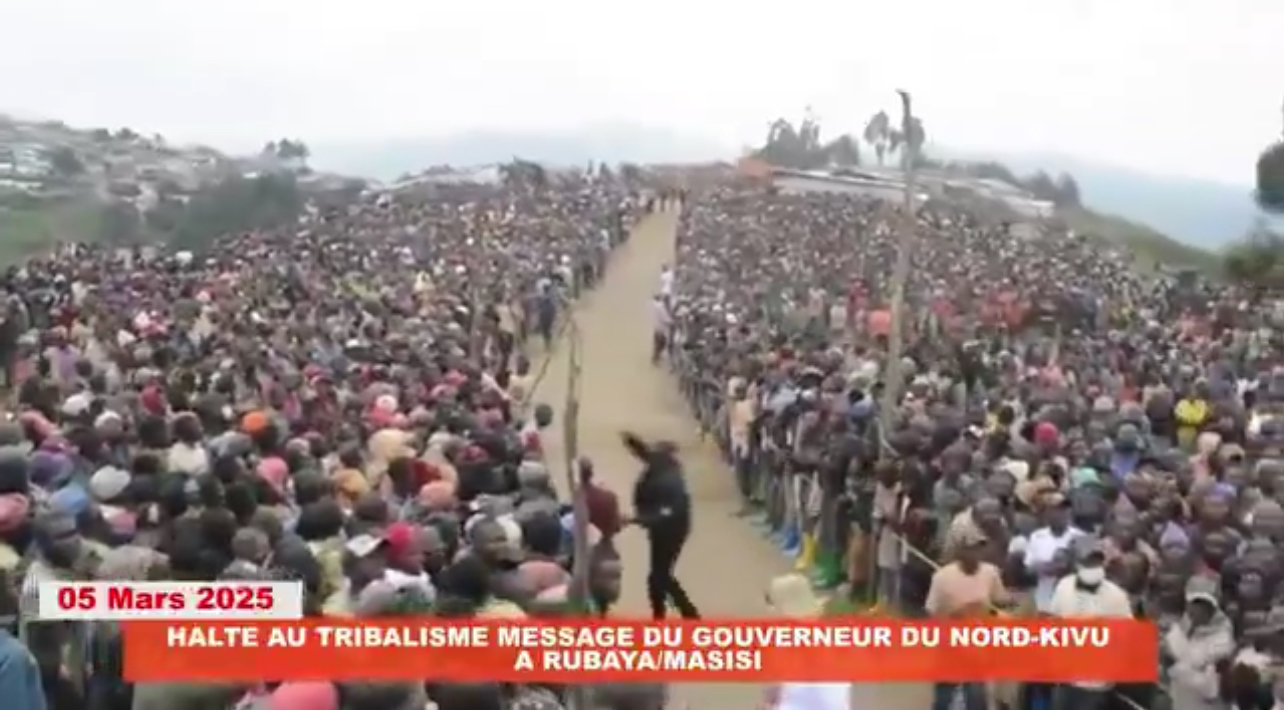
Tears welled up in the governor’s eyes. He clenched the microphone, then loosened his grip. The crowd hushed as they noticed his silence.
“This…” he started, his voice cracking, “this is what we fought for.”
The people erupted into cheers. Some threw their hands in the air, others collapsed to the ground, sobbing. They had lost too much, for too long. But today, they had won something priceless—hope.
The governor steadied himself. His voice grew firmer.
“Massisi-Mountainous, no more barriers, no more fear—never again! The agro-pastoral life has returned, security is assured, and our people are free to live again,” he declared. His words rolled over the crowd like a wave, sweeping them into another round of jubilation.
Nearby, an old woman clutched a faded photograph to her chest—a picture of her son, lost to the wars that had ravaged these hills. She did not dance, but she smiled, her lips quivering with the silent prayer that no mother would ever have to mourn her child again.
Among the crowd were young men, standing in neat rows, their faces alight with purpose. They had answered the call to join the Congolese Revolutionary Army under the AFC M23. They are choosing to join and fight for peace, not for revenge. The battle has not ended. The movement needs reinforcements.
Bahati Musanga Erasto turned to them.
“This land is ours,” he declared. “No more barriers. No more fear. No more running. Massisi will rise again.”
The crowd erupted, chanting his name. They embraced each other—Hutus, Tutsis, those who had once been divided by history, now united by the promise of tomorrow.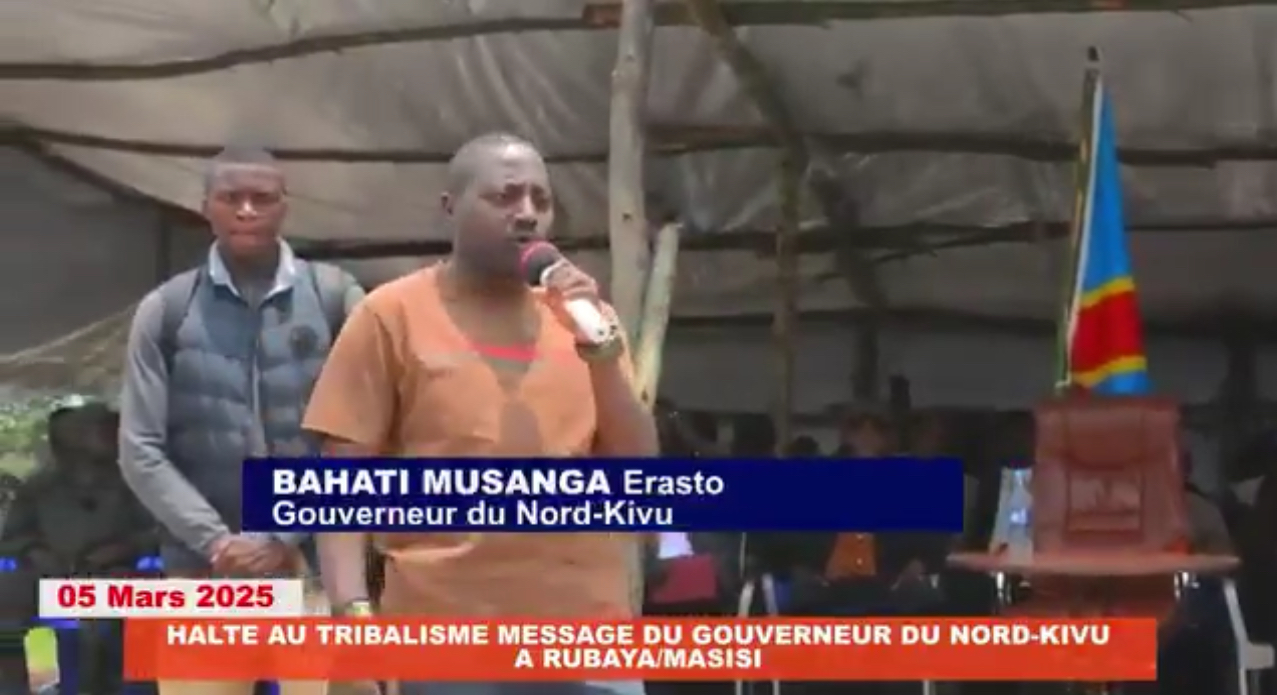
Then came the words that struck a chord in every heart present:
“The FDLR must go back to where they came from. They have lied to you for too long, telling you that those fighting them are only Tutsis. But what have they done for you? Have they built your homes? Have they brought peace? No! They murder you in the night while telling you they are your brothers,” he thundered.
The crowd murmured, nodding in agreement. Some shook their heads bitterly. They had been deceived.
“And to those who ran, who sought refuge across the border, now is the time to come home,” he continued. “The hour of rebuilding has arrived!”
The message was clear: Massisi was no longer a battleground; it was home again.
The provincial leader’s speech resonated deep within the crowd. Many who had once believed reconciliation was impossible now stood side by side, their differences washed away by the hope in their leader’s voice.
“This is joy—true joy,” an elder whispered, his hands clasped together. “We have waited for this moment for decades.”
Nearby, a young man named Gafishi, who had spent years hiding in the forests, turned to his friend. “They told us we would never return, that Massisi was lost to war forever. But look around you… they were wrong.”
For the first time in years, the hills of Massisi echoed not with gunfire, but with laughter, song, and the rhythmic pounding of dancing feet.
And as the governor gazed upon them—upon his people, his home, his history—he knew: the fight was not over, but the war had already begun to lose its grip.
In the valleys of Massisi, where blood once flowed, only tears of joy remain.